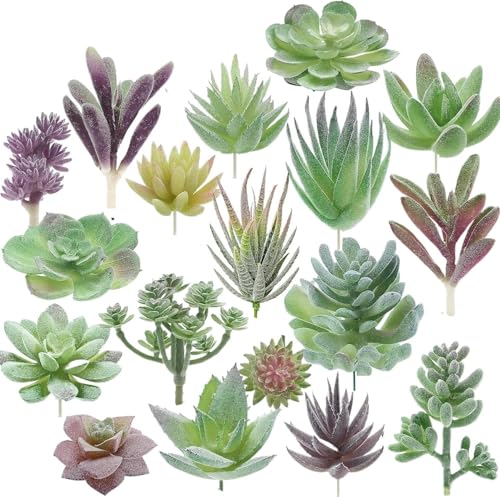
Comparing Real and Artificial Trees for Home Decor
In 2026, the choice between real and artificial trees for home decor continues to be a significant consideration for many homeowners. These trees not only enhance the aesthetic appeal of living spaces but also contribute to the overall ambiance and atmosphere. This article delves into the advantages and disadvantages of both options, helping you decide which is best for your home.
Benefits of Real Trees
Real trees offer a natural charm that is often unmatched by their artificial counterparts. In 2026, many homeowners appreciate the unique qualities that real trees bring to their interiors. For instance, the fresh scent of a real pine tree can invigorate a space, adding a sensory experience that cannot be replicated. Furthermore, real trees can enhance air quality by absorbing carbon dioxide and releasing oxygen, making your home environment healthier.
When selecting a real tree, consider your local climate and the specific type of tree that thrives in your area. Some popular choices include:
- Fiddle Leaf Fig
- Pothos
- Rubber Plant
- Snake Plant
Each of these options brings a different visual appeal and care requirements. For instance, the Fiddle Leaf Fig is known for its large glossy leaves and can serve as a stunning focal point in any room. However, it requires specific lighting conditions and regular watering to thrive.
Advantages of Artificial Trees
Artificial trees have gained immense popularity in 2026 due to their low maintenance requirements and versatility. One of the main advantages is the ability to enjoy the beauty of greenery without the need for watering, pruning, or worrying about pests. This option is particularly appealing for busy individuals or families who may not have the time or resources to care for real plants.
People Also Look For:
- Miaikoe Christmas Pillows, Decorative Christmas Tree Cushions Set of 2 Stuffed Tree Shaped Plush Pillow for Holiday Party Sofa Liv...
- Oairse Small Artificial Plants in Ceramic Pots Decorative Fake Potted Plants Faux Pothos Realistic Greenery House Plant Indoor for...
- Plant Hangers Hanging Basket Planter Flower Pot Cotton Rope Woven Baskets 72cm Wall Hanging Planter Ceiling Plants Holder Indoor O...
- Pumixiy Daffodil Floral Arrangement Artificial Flowers for Wedding Decor and Home Decor with Realistic Petals and Stems(Pink)
- LUNIER Seated Succulent Set (Set of 3) | Porcelain Pots with Small Artificial Plants (Indoor) | Faux Plant for Indoors | Bedroom, ...
Modern artificial trees are designed to look remarkably realistic, often featuring intricate details that mimic the textures and colors of real foliage. When choosing an artificial tree, consider factors such as:
- Material quality
- Size and scale
- Realism of design
- Color fidelity
In 2026, many brands provide options that blend seamlessly into various interior styles, from minimalist to bohemian. For example, a large artificial palm tree can bring a tropical feel to a contemporary living room without the upkeep associated with a real plant.
Environmental Considerations
When comparing real and artificial trees, environmental impact is a vital aspect in 2026. Real trees are often viewed as the eco-friendly choice since they are a renewable resource and can be composted after their lifespan. However, the sourcing of these trees plays a critical role. Trees that are harvested responsibly and sustainably contribute positively to the environment, while those obtained from deforested areas can have detrimental effects.
On the other hand, artificial trees are made from non-biodegradable materials such as plastic, which can pose environmental concerns after disposal. Nevertheless, many manufacturers are now focusing on producing eco-friendly artificial trees using recycled materials or sustainable practices. Therefore, it is essential to research brands that prioritize sustainability when considering an artificial option.
Cost Analysis and Longevity
Cost is another important factor influencing the decision between real and artificial trees in 2026. Real trees tend to have a lower initial cost but may require ongoing investment in care and maintenance. For example, purchasing a high-quality real tree may set you back a few hundred dollars initially, but over time, expenses for soil, pots, fertilizers, and potential replacement can add up.
In contrast, while artificial trees typically have a higher upfront cost, they can last for many years without needing replacement or extensive care. This longevity makes them a cost-effective choice for those looking to invest in decor. When assessing the financial aspect, consider the following:
- Initial purchase price
- Maintenance costs over time
- Longevity of the product
- Potential replacement needs
By evaluating these factors, homeowners can make a more informed decision that aligns with their budget and lifestyle preferences.
Choosing the Right Fit for Your Home
Ultimately, the decision between real and artificial trees in 2026 comes down to personal preference, lifestyle, and environmental considerations. Factors such as the amount of natural light in your home, your ability to commit time to plant care, and your design aesthetic will heavily influence your choice. For instance, if you live in a high-rise apartment with limited sunlight, an artificial tree may be more suitable, providing the greenery you desire without the challenges of maintaining a living plant.
In contrast, if you have a thriving garden or a well-lit space, a real tree could bring a dynamic element to your home that enriches your living environment. As trends in home decor continue to evolve, the integration of greenery remains a crucial component, whether through the authenticity of real trees or the convenience of artificial ones.
Engage with your space and determine what aligns best with your lifestyle. Consider testing out various types of trees to see how they interact with your home environment. This exploration may lead you to discover new favorites that enhance your decor and reflect your personal style. As 2026 progresses, the possibilities for incorporating trees into home decor will continue to expand, offering even more options for every homeowner.