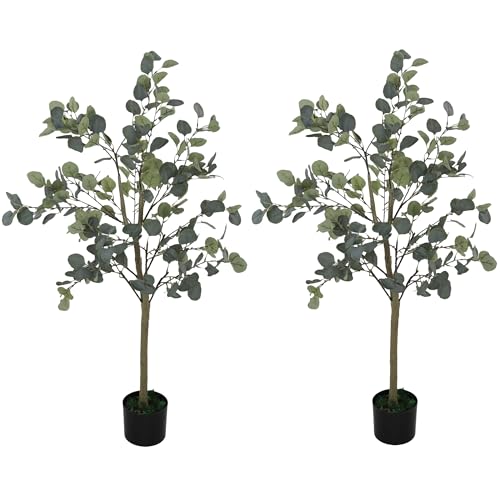
essential tips for positioning artificial trees in your home
Artificial trees are an excellent way to bring a touch of nature indoors without the maintenance that real plants require. Whether you are adding a focal point or softening a space, the strategic placement of these decorative plants can significantly enhance your home's aesthetic. Here are essential tips for positioning artificial trees effectively.
Consider the Scale of Your Space
Before placing an artificial tree, evaluate the scale of the room. A tall, slender tree can make a statement in a spacious living room, while a smaller bushy tree may be better suited for a compact area. Measure the height and width of the tree and ensure it fits proportionally within the room. Ideally, the tree should not overwhelm the space but should also not be lost among your furnishings.
Identify Focal Points
Choose a spot that naturally draws the eye. Position your artificial tree near a window or an entryway, where it can catch the light and add brightness to the area. You might also consider placing it beside a piece of furniture, like a sofa or console table, to create a harmonious balance in the room. The goal is to use the tree as a visual anchor that complements your existing decor.
People Also Look For:
- Christmas Tree Skirt Grey 90 cm Christmas Decoration Faux Fur Xmas Tree Skirt Base Cover with Round Trim
- CuteHairy Lighted Olive Tree, 5Ft 100 Tall Faux Silk Light Up Plant Trees with 100 Warm White LED Lights, USB Powered Artificial P...
- 9ft Green Garland Christmas For DIY Decoration Artificial Pine Green Garland Indoor Outdoor for Xmas Tree Stairs Fireplaces Garden...
- Aoyfuwell 12 Pcs Artificial Hydrangea Bouquets, Decorative Faux Ball Flowers, Silk Fake Chrysanthemum Flowers Plants for Indoor, O...
- White Christmas Tree with Lights, Small 60cm Birch Tree Twig Tree with Lights Pre Lit Branches USB & Battery Operated with Remote ...
Experiment with Height Variation
For a layered look, group your artificial trees with varying heights. This can create depth and interest. For instance, place a tall tree next to a medium-sized one and add smaller plants or decorative items around them. This technique not only enhances the visual appeal but also creates a more natural look, as you would find in an outdoor setting.
Utilise Corners Wisely
Corners are often underutilised spaces in homes, making them perfect spots for artificial trees. Placing a tree in a corner can help draw the eye upwards and create an illusion of height in the room. Opt for a tree with a fuller shape to ensure it fills the space and adds dimension to the corner. This approach can also help soften sharp angles and create a more inviting atmosphere.
Enhance with Accessories
Incorporate decorative pots or planters that match your home decor style to enhance your artificial trees. A stylish pot can elevate the look of the tree, making it a more significant feature in your decor. You can also add decorative stones or faux moss on top of the soil of the pot to give it a more authentic look. Accessories can help reinforce the theme of your space, whether it's modern, rustic, or bohemian.
Light Considerations
Proper lighting can dramatically affect the appearance of artificial trees. Consider placing your tree near a light source or using spotlights to highlight its features. If your tree is placed farther from natural light, consider using warm-toned artificial lights to mimic sunlight. This will help your tree appear more lifelike and ensure that it complements the overall lighting scheme of the room.
Avoid Cluttered Spaces
While it can be tempting to fill every corner with decor, it’s essential to avoid overcrowding. Ensure there is enough space around your artificial trees to allow them to breathe and stand out. A well-placed tree should enhance the environment, not overwhelm it. Keep surrounding areas tidy and minimalistic to highlight the beauty of your artificial trees.
Seasonal Changes
Consider changing the positioning of your artificial trees with the seasons. For example, during spring and summer, you might opt for lighter, airy placements that evoke a feeling of freshness. In autumn and winter, consider bringing them closer to seating areas to create a warm, inviting atmosphere. Adjusting their placement not only keeps your decor dynamic but also extends the visual interest of your home throughout the year.